
Home  /  Services  /  Search Engine Optimization

Search visibility built on technical foundation and useful content

SEO & AI Search Visibility for Small Businesses

Search visibility is not a ranking. It is the ability of a customer to find your business when they search for a solution you provide.

Local Business Consulting helps small businesses improve technical SEO, content quality, internal links, and measurement so customers can find and understand the business across traditional search engines and AI-assisted search results.

The work starts with a clear audit of what is preventing visibility, then focuses on fixes that matter to the business model and the customer journey.

Small business SEO strategy and search visibility

SEO strategy starts with understanding your business, your customers, and what you want to accomplish.

The definition

What search visibility actually means

A customer searches for a solution. Your website appears in the results. The customer clicks your link. They understand what you offer and take a next step.

Search visibility requires:

  • Technical SEO: the website can be crawled, indexed, and understood by search engines.
  • Useful content: the page answers the customer question and reflects your actual business.
  • Internal links: the page is connected to other relevant pages on the site.
  • Measurement: you can see how customers are finding and using the site.
  • Competitive context: your page is more useful or more relevant than competing pages.

Search visibility does not require a specific ranking position, a guaranteed timeline, or a promise that every customer will find you.
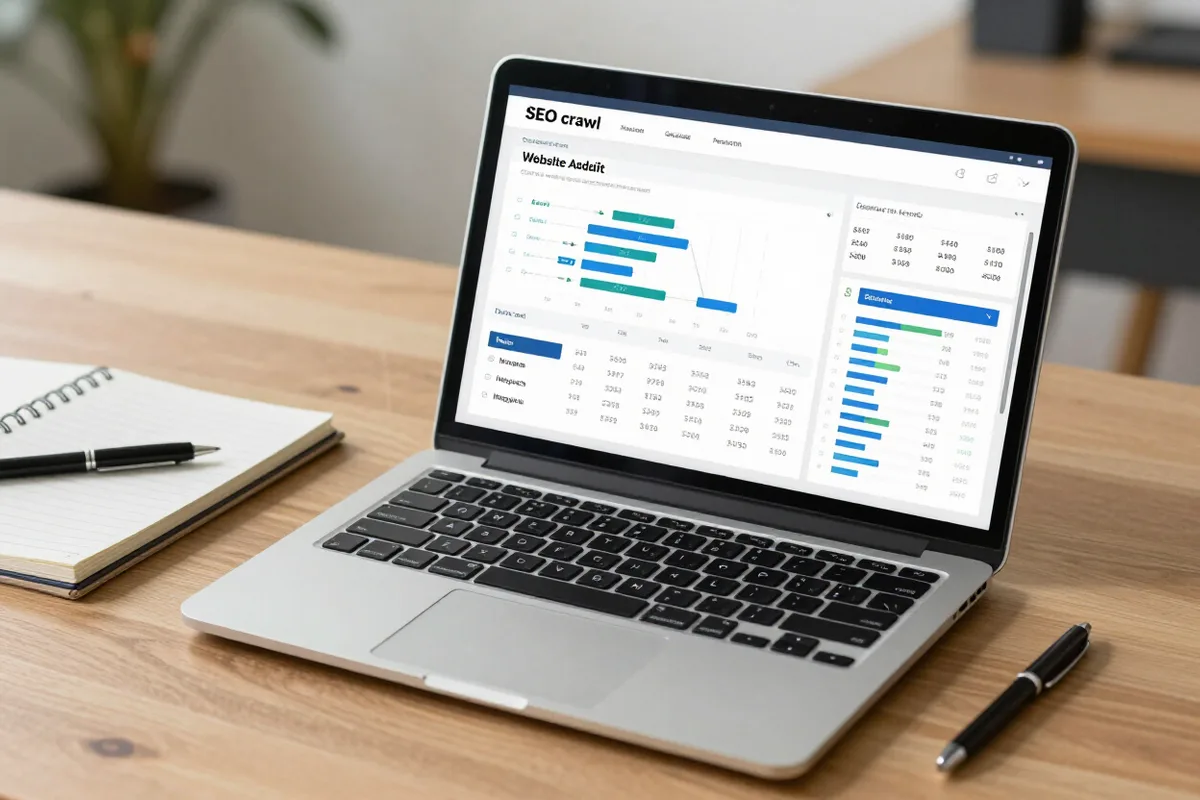
Technical SEO crawl and indexing website audit

Technical SEO ensures search engines can crawl, index, and understand your website.

Foundations

Technical SEO starts with access and delivery

Before content or links matter, the website must be accessible to search engines and delivered correctly to customers.

Technical SEO includes:

  • Crawlability: search engines can access and follow links on the site.
  • Indexability: pages are indexed and appear in search results.
  • Mobile responsiveness: the site works on mobile devices.
  • Page speed: the site loads quickly on desktop and mobile.
  • Core Web Vitals: the site meets Google’s performance standards.
  • Structured data: the site includes schema markup so search engines understand the content.
  • Security: the site uses HTTPS and is free from malware.
  • Canonicals and redirects: duplicate content is handled correctly.
  • XML sitemap: the site has a valid sitemap for search engines.
  • Robots.txt: the site has a valid robots.txt file.

Technical SEO is not glamorous, but it is the foundation. A site with perfect content and no technical SEO will not rank.
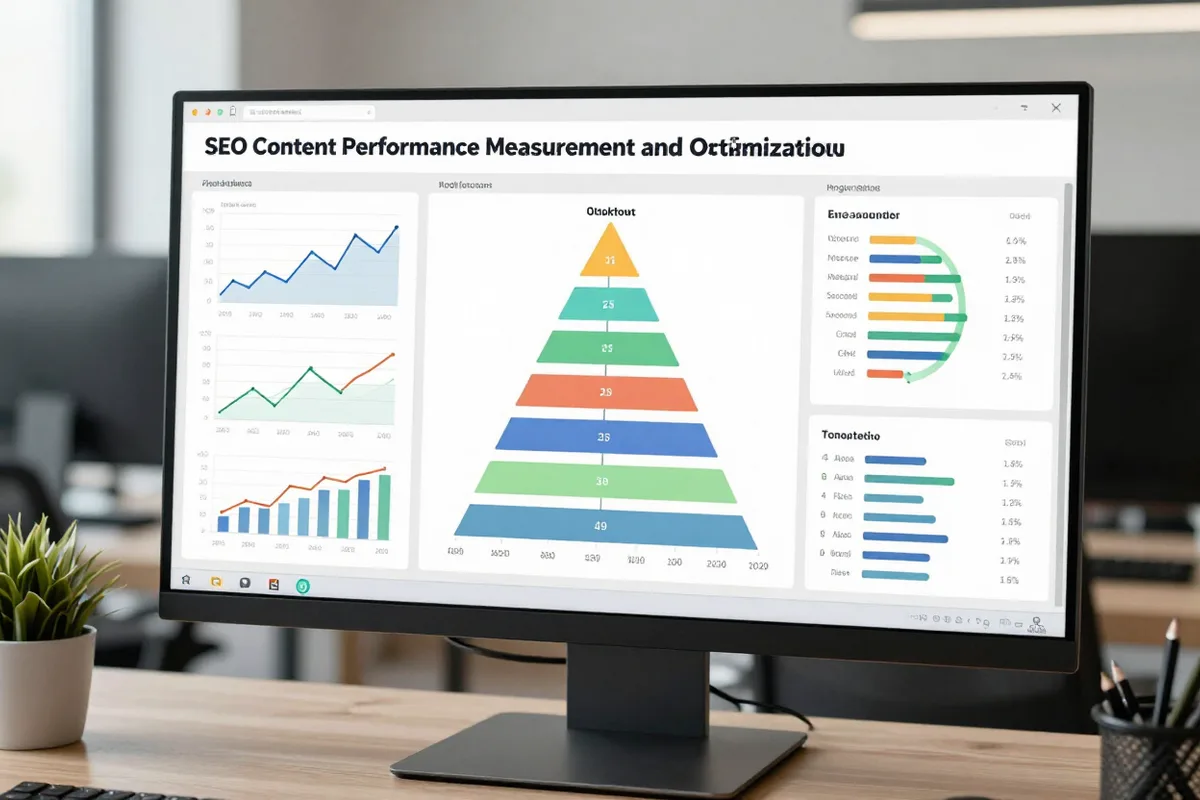
SEO content performance and measurement workflow

Measurement helps you understand what is working and what needs improvement.

Content

Useful content should answer a real customer need

Search engines reward content that answers a customer question better than competing pages. The content must be:

  • Relevant: it answers the question the customer actually asked.
  • Accurate: the information is correct and current.
  • Comprehensive: it covers the topic thoroughly without filler.
  • Original: it reflects your business knowledge, examples, and perspective.
  • Useful: the reader can understand and act on the information.
  • Well-structured: headings, lists, and formatting make it easy to scan.
  • Linked: it connects to other relevant pages on the site.

Content that is written only for search engines, stuffed with keywords, or copied from competitors will not rank well and will not help customers.

Structure

Internal links connect the customer journey

Internal links help customers navigate the site and help search engines understand the relationship between pages.

Effective internal links:

  • Use descriptive anchor text that describes the linked page.
  • Connect related topics so the customer can find more information.
  • Point to important pages so search engines understand their value.
  • Follow a logical structure that matches the customer journey.
  • Avoid linking to every page from every page (that is noise, not structure).

A site with a clear internal-link structure is easier for customers to navigate and easier for search engines to understand.

Scope

What we can help you build

An engagement can focus on a specific technical issue, a complete SEO audit, content improvements, or ongoing optimization. Scope is defined around the business objective and the resources available for implementation.

  • SEO audit: identify technical issues, content gaps, internal-link problems, and competitive opportunities.
  • Technical SEO fixes: improve crawlability, indexability, page speed, mobile responsiveness, structured data, security, and canonicals.
  • Content strategy: identify customer questions, prioritize topics, and plan content that answers those questions.
  • Content creation and optimization: research, write, edit, and optimize content for search intent and readability.
  • Internal-link planning: map the customer journey and connect related pages with descriptive links.
  • Competitive analysis: understand what competing pages are doing and identify opportunities to be more useful.
  • Measurement and reporting: set up analytics, track rankings, monitor traffic, and measure qualified actions.
  • Ongoing optimization: monitor performance, identify issues, update content, and improve over time.

Not every engagement automatically includes all deliverables. Scope is defined around the business objective and the resources available for implementation.

Honest scope

Not every business needs SEO work

Some businesses may first need a clearer offer, a working website, better customer communication, or a reliable sales process. The audit determines whether SEO, a different project, or a combination should come first.

Best fit

When SEO is a strong fit

  • Customers search for solutions you provide.
  • Your website is technically sound and can be improved.
  • You have useful knowledge, examples, or perspective that is not yet documented.
  • You want to attract customers who are actively searching for your solution.
  • You understand that SEO takes time and requires ongoing optimization.
  • You are willing to invest in content, technical improvements, and measurement.

When to wait

When another project should come first

  • The website has critical technical issues that prevent indexing or crawling.
  • The main service pages do not explain the offer or give visitors a clear next step.
  • The business model is unclear or the offer is not ready.
  • Leads are not being delivered, tracked, or followed up.
  • The business cannot provide qualified review for technical, legal, medical, or financial claims.
  • The primary goal is to manipulate rankings rather than attract customers who need your solution.

Process

How the work moves

  1. 01 Audit the current situation. Review the website, search visibility, technical issues, content quality, internal links, and competitive landscape.
  2. 02 Identify the opportunity. Determine what is preventing visibility and what fixes will have the most impact on the business.
  3. 03 Prioritize the work. Decide what to fix first based on impact, effort, and business objectives.
  4. 04 Fix technical issues. Improve crawlability, indexability, page speed, mobile responsiveness, structured data, security, and canonicals.
  5. 05 Improve existing content. Update pages that are close to ranking, add missing information, improve structure, and add internal links.
  6. 06 Create new content. Research customer questions, write content that answers those questions, and optimize for search intent.
  7. 07 Build internal links. Connect related pages with descriptive anchor text that helps customers and search engines.
  8. 08 Measure and monitor. Set up analytics, track rankings, monitor traffic, and measure qualified actions.
  9. 09 Optimize and improve. Identify what is working, what is not, and make changes based on data.
  10. 10 Repeat. SEO is ongoing. Continue to monitor, optimize, and improve.

The changing landscape

AI-assisted search and traditional search

Search is changing. Google is adding AI-generated summaries to search results. Other search engines and AI tools are emerging. The fundamentals remain the same:

  • Your website must be accessible to search engines and AI tools.
  • Your content must be accurate, useful, and reflect your actual business.
  • Your business must be findable when customers search for your solution.

We focus on building visibility across traditional search engines and AI-assisted search results. This means:

  • Technical SEO that works for all search engines and AI tools.
  • Content that is accurate and useful, not optimized only for AI.
  • Measurement that tracks visibility across multiple search channels.
  • A long-term strategy that adapts as search continues to change.

We do not use black-hat SEO, keyword stuffing, private blog networks, or other tactics that violate search engine guidelines. We do not guarantee rankings or specific timelines. We focus on building sustainable visibility that serves your customers.

Roles

A clear division of responsibility

Local Business Consulting can handle:

SEO audit, technical SEO fixes, content strategy, content creation and optimization, internal-link planning, competitive analysis, measurement setup, and performance reporting.

The client remains responsible for:

business model clarity, offer clarity, website access and hosting, implementation of technical fixes, content approval, legal and compliance review, customer support, and ongoing site management.

Measurement

What we measure

SEO is only useful if it is actually bringing customers to your site and helping them move forward.

  • Search visibility: how many keywords your site ranks for and in what positions.
  • Organic traffic: how many customers are finding you through search.
  • Click-through rate: what percentage of searchers click your link.
  • Engagement: how long customers stay on the page and what they do.
  • Conversions: how many customers take a desired action (call, form, purchase, etc.).
  • Customer acquisition cost: how much it costs to acquire a customer through organic search.
  • Assisted conversions: how many customers used search as part of their journey before converting.

The reporting plan depends on the site, available analytics, sales cycle, and agreed scope. Rankings and traffic can fluctuate, and no ethical provider can guarantee a specific position, timeline, or result.

Boundaries

Program boundaries

  • We do not guarantee rankings, traffic, leads, revenue, or specific timelines.
  • We do not use black-hat SEO, keyword stuffing, private blog networks, or other tactics that violate search engine guidelines.
  • We do not create fake reviews, fake testimonials, or unsupported claims about product benefits.
  • We do not add Article, Review, aggregateRating, Product, or AEO schema unless the site has real, verified customer reviews or published articles.
  • We do not provide legal, medical, financial, tax, or regulatory advice. Qualified client or professional review is required.
  • We do not guarantee that SEO will solve a business model problem or replace marketing.
  • Link building, paid advertising, social media, email marketing, content marketing, Shopify setup, and ongoing optimization are separate unless included in the written scope.

Common questions

Frequently asked questions

How long does SEO take?

How much does SEO cost?

Do you guarantee rankings?

What about local SEO?

Can you help us improve our current rankings?

What is the difference between SEO and paid search?

Do you do link building?

What about AI search and ChatGPT?

How do we know if SEO is working?

Next step

Build sustainable search visibility

If your business has useful knowledge but customers cannot find you through search, start with a focused review. We will look at your website, search visibility, technical issues, content quality, internal links, and competitive landscape.

See selected work, read client reviews, or send project details to start the conversation.