
Home  /  Services  /  Shopify E-Commerce

Shopify stores that work for the business that owns them

Shopify Store Setup & E-Commerce Strategy

A Shopify store is a tool that belongs to the business. It should be built in a way the business understands, can operate without constant outside help, and can improve over time.

Local Business Consulting helps small businesses plan, build, test, and improve Shopify stores. The work covers store strategy, product structure, payment and shipping configuration, launch readiness, customer communication, and measurement. We focus on clear ownership, sustainable operations, and realistic expectations about what a store can do.

Small business owner and consultant planning a Shopify store strategy and product structure

E-commerce strategy starts with understanding your products, your customers, and your business model.

The reality

What a Shopify store actually does

A Shopify store is a catalog, shopping cart, and payment processor. It is not a marketing channel, a customer acquisition tool, or a substitute for a business model.

A store works when:

  • The business has a product or service that customers want to buy.
  • The business has a clear price and a way to deliver the product or service.
  • Customers know the business exists and have a reason to visit the store.
  • The store is configured correctly so customers can find products, understand what they are buying, complete a purchase, and receive what they ordered.
  • The business can fulfill orders, handle customer questions, and manage refunds or returns.
  • The business measures what is actually happening (traffic, conversion, revenue, fulfillment, customer satisfaction) rather than guessing.

A store does not work when the business is trying to replace marketing, sales, or operations with a website.
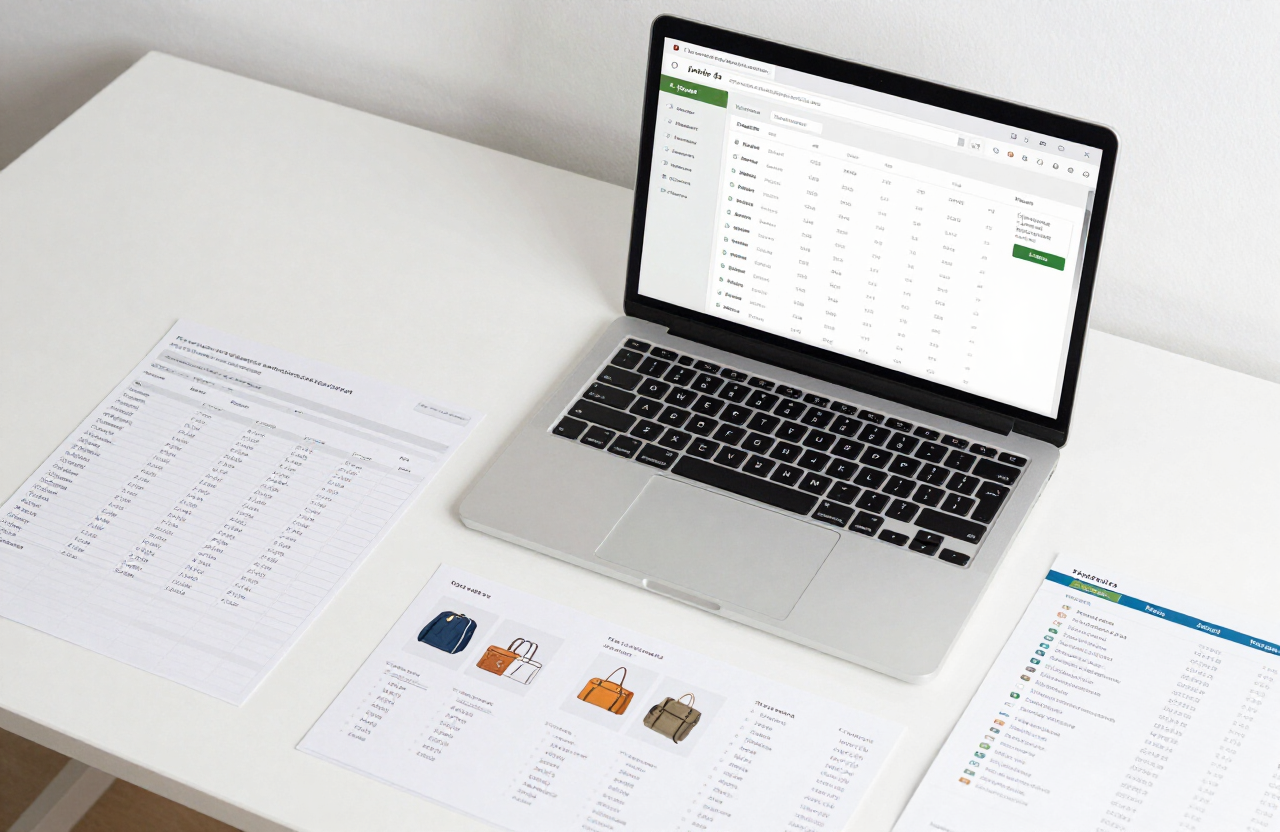
E-commerce product catalog and store setup workflow

Store setup includes domain, theme, products, payment processing, and shipping configuration.

Foundations

What the store needs before it can sell

Before a store can be useful, it needs:

  • Clear ownership. The business knows who is responsible for the store, who can make changes, and how decisions are made.
  • Product structure. Products are organized in a way that makes sense to the customer and the business. Variants, collections, and pricing are correct.
  • Payment configuration. The business has chosen a payment processor, configured it correctly, and understands the fees and settlement.
  • Shipping configuration. The business has decided how it ships, what it charges, and how it communicates shipping status to customers.
  • Customer communication. The business knows how to send order confirmations, shipping updates, and follow-up messages.
  • Fulfillment process. The business has a clear way to receive orders, pick and pack products, ship them, and handle returns or refunds.
  • Legal and compliance. The business has terms of service, a privacy policy, a returns policy, and any required disclosures.
  • Measurement. The business can see traffic, conversion rate, revenue, customer acquisition cost, and other metrics that matter to the business model.

Scope

What we can help you build

An engagement can focus on store strategy, a complete build, testing and launch support, or ongoing optimization. Scope is defined around the business objective and the resources available for ownership and operation.

  • Store strategy and planning: define the business model, product structure, pricing, customer journey, and operational capacity.
  • Store setup and configuration: build product catalog, configure payment and shipping, set up customer communication, and prepare for launch.
  • Theme selection and customization: choose a theme that fits the business, customize it to match the brand, and ensure it works on mobile.
  • Product data and content: organize product information, write descriptions, source images, and set up variants and collections.
  • Payment and shipping configuration: choose payment processors, configure fees and settlement, set up shipping rates and zones, and test transactions.
  • Customer communication: set up order confirmations, shipping notifications, and follow-up messages.
  • Launch readiness: test the entire customer path, verify payment and shipping, check legal compliance, and prepare for the first customer.
  • Ongoing optimization: monitor store performance, identify issues, update product information, and improve conversion over time.
  • Integration with other tools: connect the store to email marketing, accounting, inventory management, or other business systems when scope allows.

Not every engagement automatically includes all deliverables. Scope is defined around the business objective and the resources available for ownership and operation.

Honest scope

Not every business needs a Shopify store

A Shopify store is not the right solution for every business. Some businesses may first need a clearer business model, a working website, a reliable sales process, or better customer communication. The audit determines whether a store, a different project, or a combination should come first.

Best fit

When a Shopify store is a strong fit

  • You have a product or service with clear pricing and a way to deliver it.
  • You want customers to be able to browse and purchase without talking to a salesperson.
  • You have the operational capacity to fulfill orders, handle customer questions, and manage returns.
  • You understand that a store is a tool that requires ongoing management and optimization.
  • You want clear ownership of the store and the ability to make changes without constant outside help.
  • You are willing to invest in product data, customer communication, and measurement.

When to wait

When another project should come first

  • The business model is unclear or the product is not ready.
  • The business does not have a way to fulfill orders or deliver the product.
  • The primary goal is to acquire customers, not to sell to customers who already know the business.
  • The business cannot dedicate time to store management and customer communication.
  • The business is trying to replace marketing or sales with a website.
  • The business is unwilling to measure results or optimize based on data.
Ecommerce product photography setup with sample products, shipping boxes, and Shopify analytics

Marketing and customer acquisition are essential to driving sales and growing your store.

Process

How the work moves

  1. 01 Audit the current situation. Review the business model, product, operational capacity, customer journey, and any existing store or sales process.
  2. 02 Define the store strategy. Decide what the store should do, who owns it, what products it sells, how it ships, and how success is measured.
  3. 03 Plan the product structure. Organize products, variants, collections, pricing, and inventory in a way that makes sense to the customer and the business.
  4. 04 Configure payment and shipping. Choose payment processors, set up fees and settlement, configure shipping rates and zones, and test transactions.
  5. 05 Build and customize. Set up the store, choose a theme, customize it to match the brand, and ensure it works on mobile.
  6. 06 Add product data. Write product descriptions, source images, set up variants and collections, and organize the catalog.
  7. 07 Set up customer communication. Configure order confirmations, shipping notifications, and follow-up messages.
  8. 08 Test the entire path. Verify payment and shipping, check the customer experience on mobile and desktop, and test edge cases.
  9. 09 Prepare for launch. Review legal compliance, prepare customer support, train the team, and plan the launch announcement.
  10. 10 Launch and measure. Go live, monitor performance, track metrics, and optimize based on data.

Roles

A clear division of responsibility

Local Business Consulting can handle:

store strategy, product structure planning, payment and shipping configuration, theme selection and customization, product data organization, customer communication setup, launch testing, and performance reporting.

The client remains responsible for:

business model clarity, product readiness, operational capacity, order fulfillment, customer support, legal compliance, payment processor accounts, shipping carrier accounts, and ongoing store management.

Measurement

What we measure

A store is only useful if it is actually selling and the business is actually fulfilling orders.

  • Traffic and conversion rate: how many people visit the store and what percentage buy.
  • Revenue and average order value: how much money the store generates and the typical purchase size.
  • Customer acquisition cost: how much it costs to acquire a customer through the store.
  • Fulfillment time and accuracy: how long it takes to ship orders and whether customers receive what they ordered.
  • Customer satisfaction: whether customers are happy with the product, the experience, and the support.
  • Return and refund rate: what percentage of customers return products and why.
  • Repeat purchase rate: what percentage of customers buy again.

The reporting plan depends on the store, available analytics, sales cycle, and agreed scope. Traffic and conversion can fluctuate, and no ethical provider can guarantee a specific result, timeline, or revenue.

Boundaries

Program boundaries

  • We do not guarantee store traffic, conversion rate, revenue, or customer acquisition cost.
  • We do not guarantee that a store will solve a business model problem or replace marketing.
  • We do not provide legal, tax, or regulatory advice. Qualified client or professional review is required.
  • We do not handle payment processor or shipping carrier accounts. The client owns these accounts and is responsible for fees, settlement, and compliance.
  • We do not provide ongoing customer support, order fulfillment, or returns management unless included in the written scope.
  • We do not create fake reviews, fake testimonials, or unsupported claims about product benefits.
  • We do not add Product, MerchantListing, Review, or aggregateRating schema unless the store has real, verified customer reviews.
  • We do not guarantee abandoned cart recovery, conversion rate improvements, or specific timeline for results.
  • Paid advertising, email marketing, social media, content marketing, SEO, analytics setup, inventory management, accounting integration, and ongoing optimization are separate unless included in the written scope. Connecting the store to other business systems is scoped separately as well.

Common questions

Frequently asked questions

How much does a Shopify store cost?

How long does it take to build a Shopify store?

Can you help us migrate from another platform?

What if we already have a Shopify store?

Do you handle payment processing or shipping?

What about inventory management and fulfillment?

How do we know if the store is working?

Next step

Build a Shopify store that works for your business

If you have a product or service and want to sell it online, start with a focused review. We will look at your business model, operational capacity, product structure, customer journey, and the path from the store to fulfillment and customer satisfaction.

See selected work, read client reviews, or send project details to start the conversation.