 Local Business

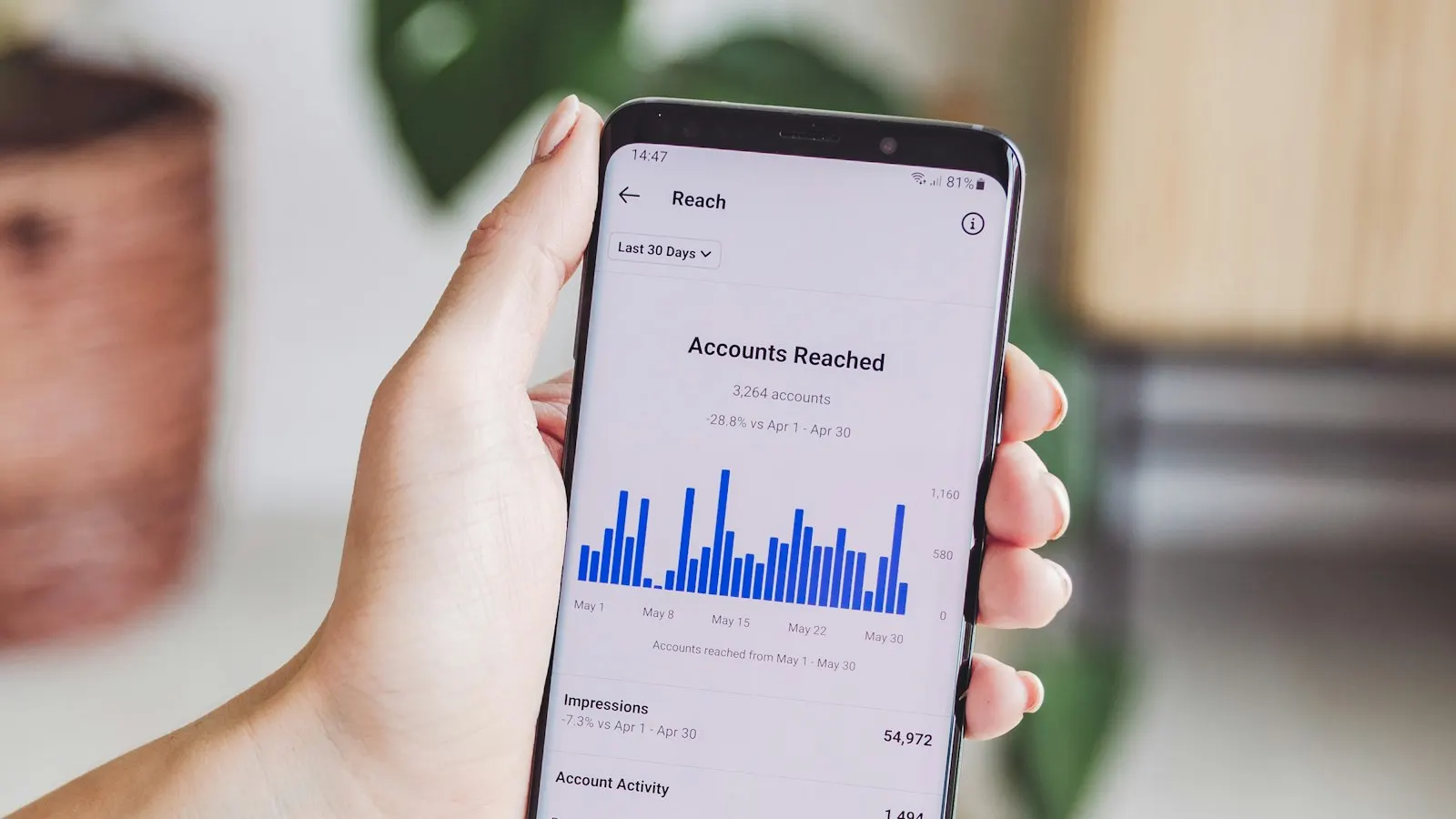
Start with a clear business objective
Meta Ads can optimize for awareness, traffic, leads, or purchases. Choose the objective that matches the most valuable action in your customer journey.
For local service businesses, lead generation campaigns with an instant form or a call click often outperform traffic campaigns that send people to an underperforming website.
Want ads you can measure? We help owners with exactly this. See our Google & Meta ads service or book a free 30-minute call.
Audience targeting for local reach
Use location targeting at the zip code or radius level to concentrate your budget in the service area. Layer in demographic and interest targeting to reach buyers who match your customer profile.
- Start with a 10 to 25 mile radius around your primary market
- Use age targeting based on actual customer demographics
- Test interest-based audiences against broad targeting
- Build a lookalike audience from your customer list once it is large enough
Creative that converts in a local context
Social advertising for local businesses performs best when it feels authentic rather than polished. Photos and videos from actual jobs, real customer environments, and local references outperform generic stock imagery.
Show the result, not just the service. A before-and-after, a completed project, or a satisfied customer carries more weight than a product shot in an empty setting.
Measure what matters, not what is easy to count
Impressions and reach confirm that ads were seen. Calls, form submissions, and booked appointments confirm that ads produced value.
Install the Meta Pixel on your website and verify that conversion events are firing before you scale any campaign. Spending without measurement is speculation.
Meta describes its pixel and Conversions API as measurement tools. Implement tracking with appropriate consent, privacy disclosures, and current platform requirements.
A simple first campaign for a local business
You do not need a complex account structure to start. One well-built campaign teaches you more than five rushed ones.
- Objective: choose leads or messages if you want inquiries, or traffic to a specific landing page if you have strong tracking in place.
- Location: target the towns or radius you actually serve, set to people living in or recently in that area.
- Creative: use real photos or short phone videos of your team, your work or your space. Local audiences respond to faces they might recognize.
- Offer: give a clear reason to act now, such as a seasonal booking window or a free estimate.
- Budget: start modestly, run for at least two weeks, and judge results on cost per lead and lead quality.
When to pause and rethink
If leads arrive but rarely book, the problem is usually the offer or the follow-up speed, not the targeting. If ads get clicks but no leads, check the landing page and form. If nothing happens at all, test new creative before changing the audience.