 Local Business
Inside Nomad Sidekick: How a Travel Blog Turns First-Hand Experience Into Search Traffic
I built Nomad Sidekick for my sister Renata, who has lived and worked seasonal jobs in the national parks she writes about. Here is what the site does right, and how a Western NC outfitter, guide or cabin rental can use the same playbook.
 By David Golubev, founder of Local Business ConsultingUpdated November 20268 min read
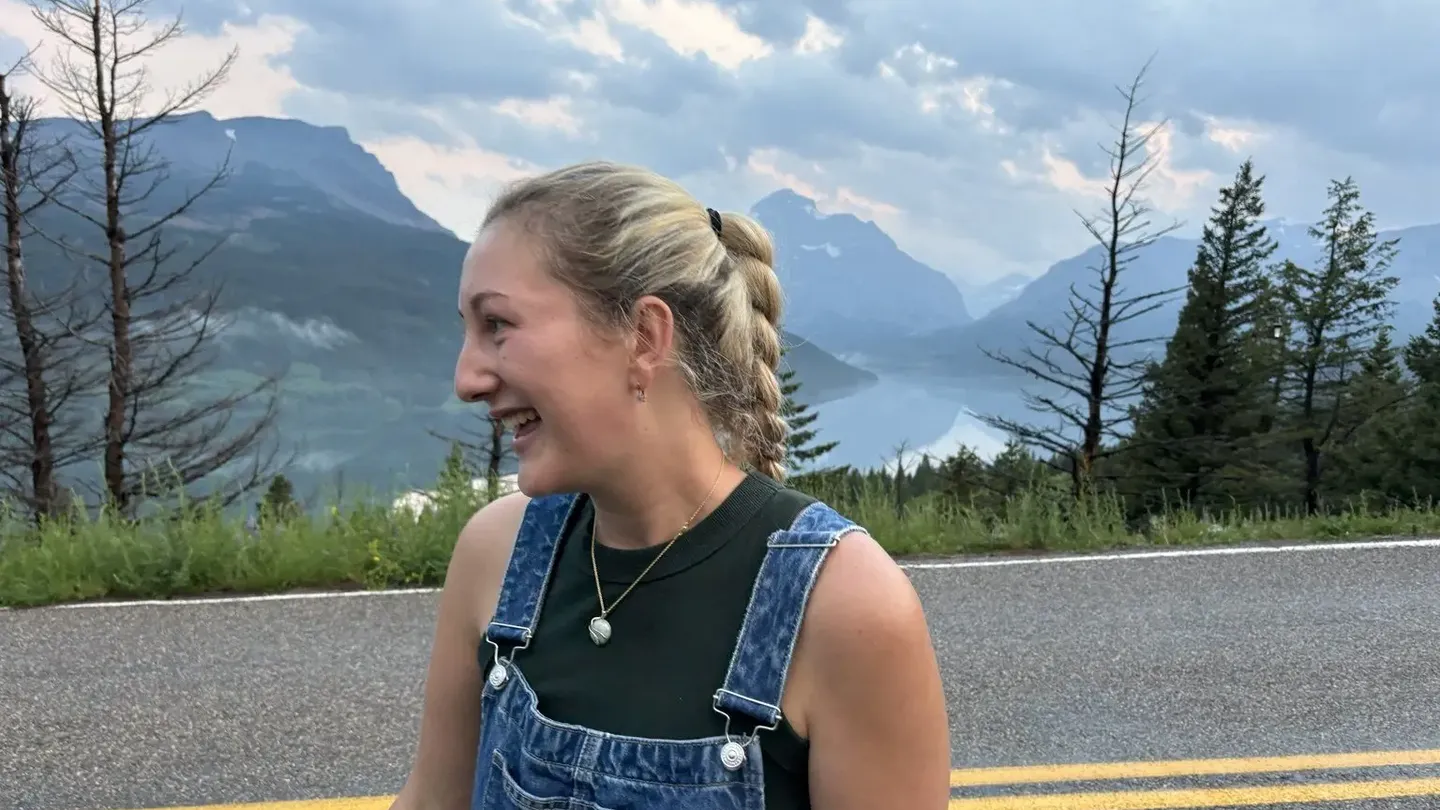
Photo: Renata, Nomad Sidekick. Used with permission.
- Experience is the headline. Titles like "From Someone Who Lived There" tell readers and Google why this guide is worth trusting.
- Topics are organized as hubs. Each destination has its own page that gathers every guide about it, instead of a long list of unrelated posts.
- Posts match how people actually plan: itineraries by trip length, month-by-month timing, where to stay, and head-to-head comparisons.
- The same playbook fits Western NC outdoor and tourism businesses, who already know their trails, rivers and towns better than anyone.
Why I am sharing this one
Most of our case studies keep client names off the page. This one is different, because the client is family. Renata is my sister. After college she took a seasonal job in Yellowstone, and since then she has lived and worked in Glacier, Custer State Park, Denali, New Zealand and Europe. Nomad Sidekick is where she shares what she has learned: national park guides, hikes, and honest advice about seasonal work.
We moved the site to WordPress this fall and rebuilt it around one idea: her first-hand experience is the product. It is still early, so this post is about the build and the approach, not traffic numbers. I will share results once we have a few months of Search Console data.
I am writing it up because the businesses around us in Western North Carolina have the same advantage Renata does. An outfitter in Brevard, a fly fishing guide in Bryson City or a cabin rental in Maggie Valley knows the area better than any national travel site. Most of them just are not putting that knowledge on their website.
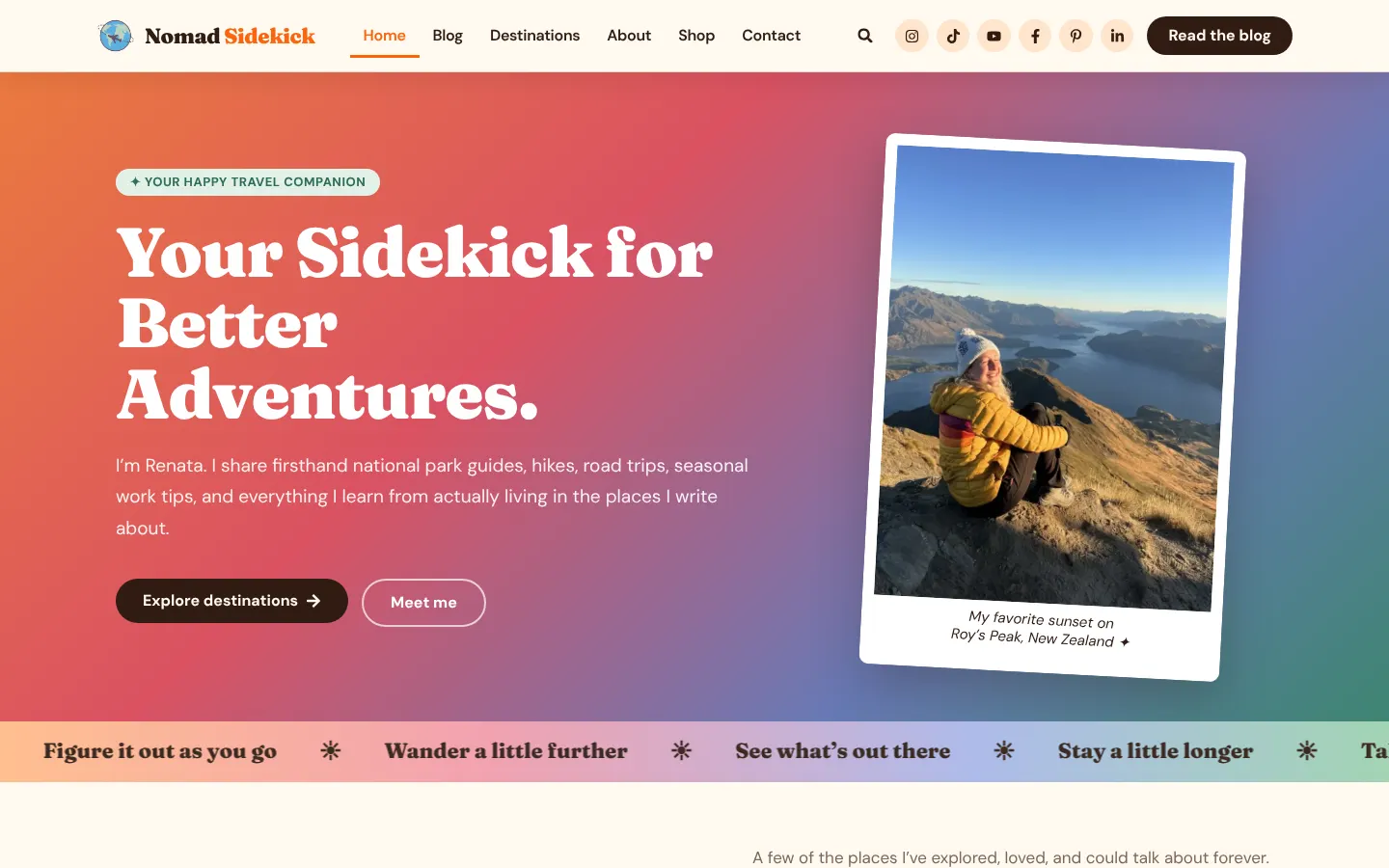
What Nomad Sidekick does right
1. The experience is in the headline, not buried in the About page
Look at the post titles: "5 Underrated Hikes in Glacier National Park (From Someone Who Lived There)." "Where to Stay in Glacier National Park: East vs. West Side (From Someone Who Lived There)." "7-Day Glacier National Park Itinerary (From a Former Park Employee)."
That phrase does real work. It tells a reader scanning search results why this guide is different from the twenty others, and it lines up with what Google says it rewards: content written from genuine, first-hand experience. The About page backs it up with the full story, from a psychology degree to a gas station job in Yellowstone to a life of seasonal work.
For a local business: say how you know. "Our guides have run the Nantahala since 2009." "From a family that has rented cabins in Maggie Valley for 20 years." Put it in your page titles and intros, not only on your About page.
2. Destinations are hubs, not a pile of posts
Instead of one long blog feed, each destination gets its own hub page. The Glacier National Park hub gathers 15 guides in one place: itineraries, the best time to visit, where to stay, specific trails, bear safety, a backpacking route and more. Every guide links back to the hub, and the hub links out to every guide.
That structure helps visitors keep planning without leaving the site, and it shows Google that the site covers Glacier in depth rather than mentioning it once.
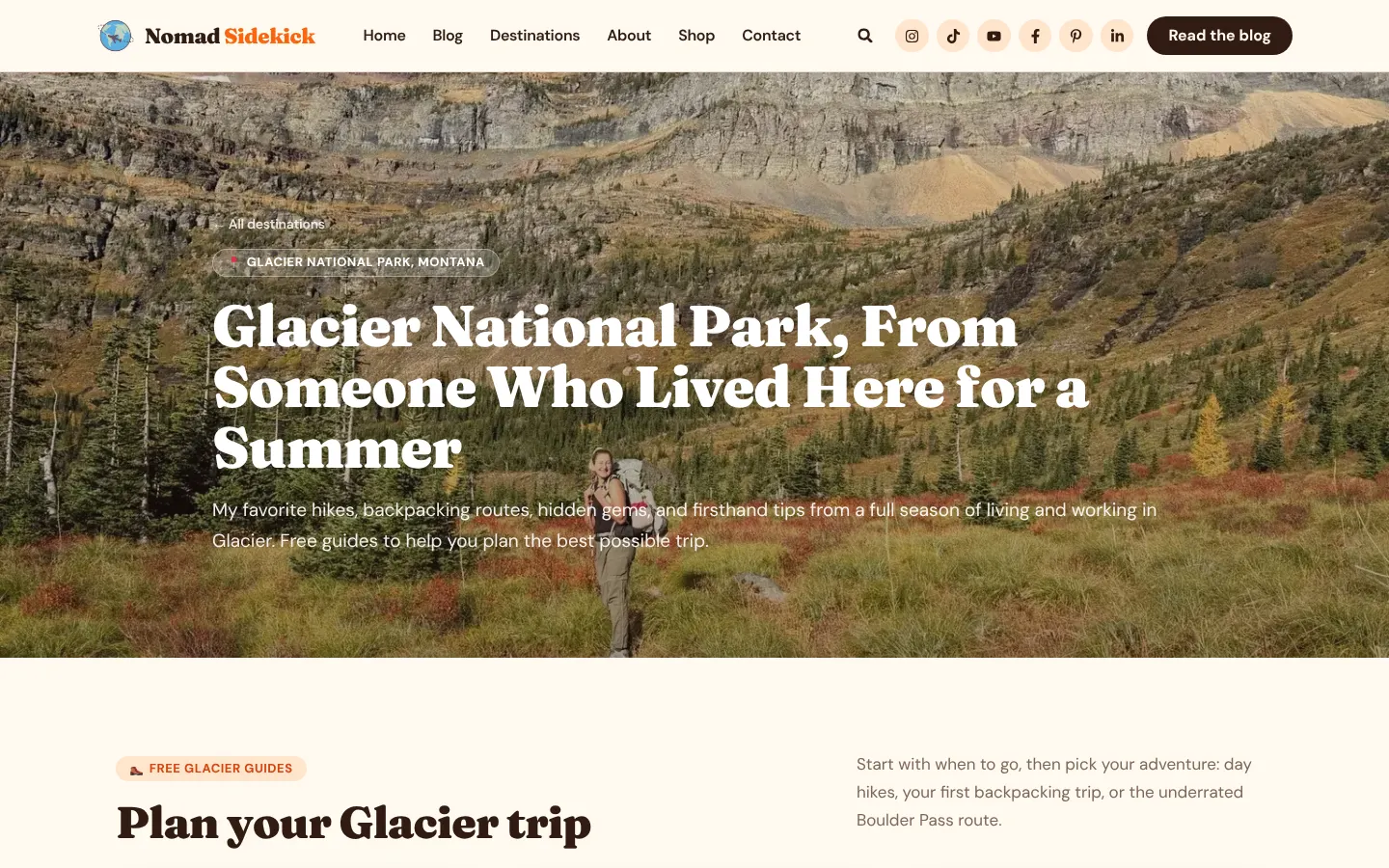
3. The guides match how people actually plan a trip
People do not search for "Glacier National Park." They search for "3 days in Glacier," "best time to visit Glacier," "is Going-to-the-Sun Road scary" and "Yellowstone or Glacier." Nomad Sidekick has a guide for each of those questions, including itineraries for two, three, five and seven days, written for both hikers and non-hikers.
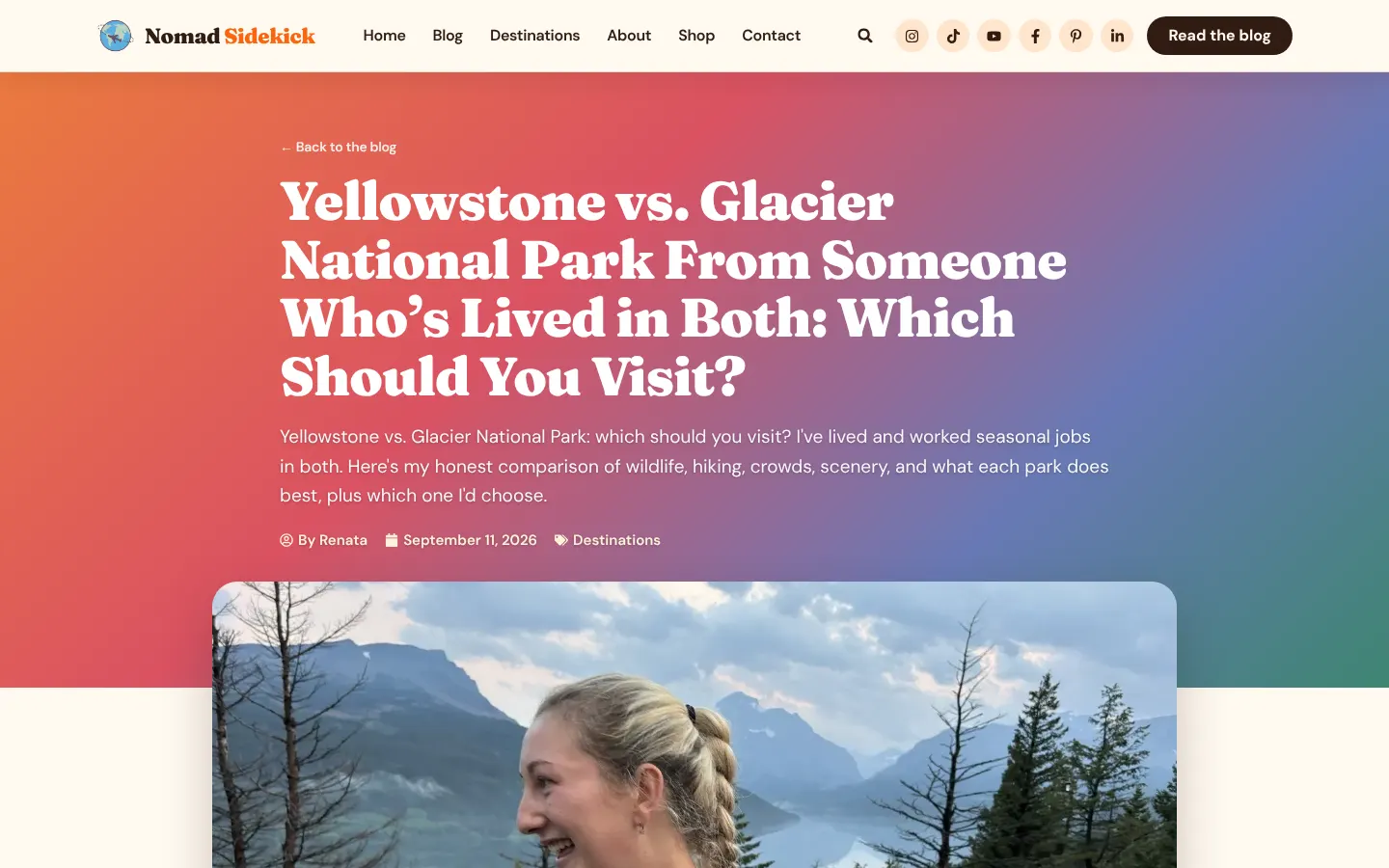
The comparison post, Yellowstone vs. Glacier, catches people at the moment they are deciding, and ends with Renata's honest pick plus a short FAQ.
4. Real photos that prove it
Almost every image on the site is Renata in the place she is writing about: on the Highline Trail, at Bowman Lake with her backpack, at Grinnell Glacier with snow still in the basin in July. Stock photos cannot do that.
The images are also set up properly behind the scenes. File names describe the scene, like highline-trail-wildflowers-glacier-national-park, and the alt text is written for people, for example: "Renata smiling on the Highline Trail with wildflowers and the McDonald Valley behind her in Glacier National Park." That helps with accessibility and with image search.
5. Every page leads to the next one
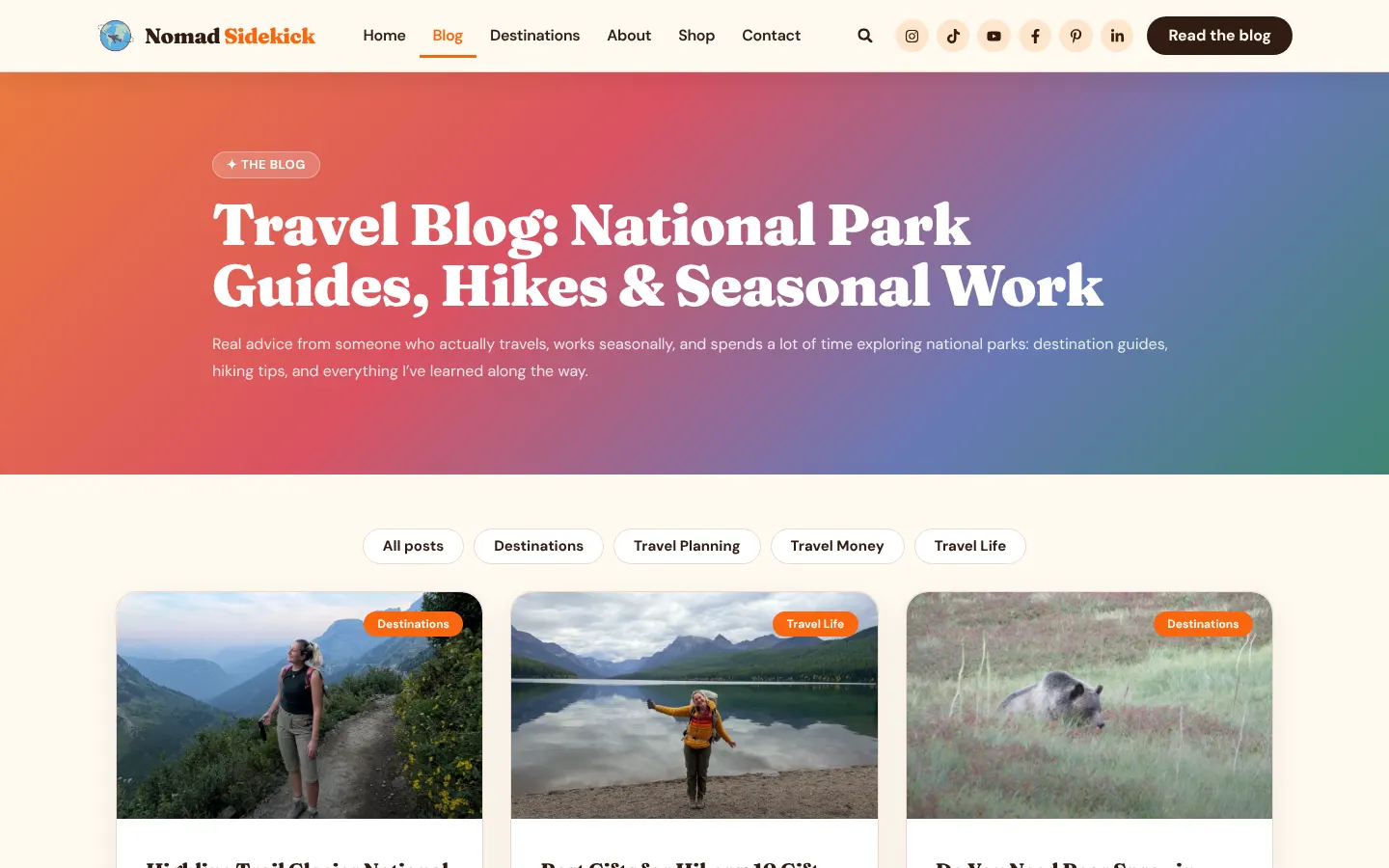
Posts end with "Keep planning your Glacier trip" and "More guides you might like," so a visitor who lands on one guide naturally reads three. Blog posts are sorted into four clear categories: Destinations, Travel Planning, Travel Money and Travel Life.
6. Built to grow, and built to be trusted
- A newsletter signup on every page, so readers can come back.
- A gear shop and a clear affiliate disclosure, which is both honest and required for affiliate links.
- Structured data that connects the site to Renata's Instagram, TikTok, YouTube, Facebook, Pinterest and LinkedIn, so search engines understand it is one person behind all of them.
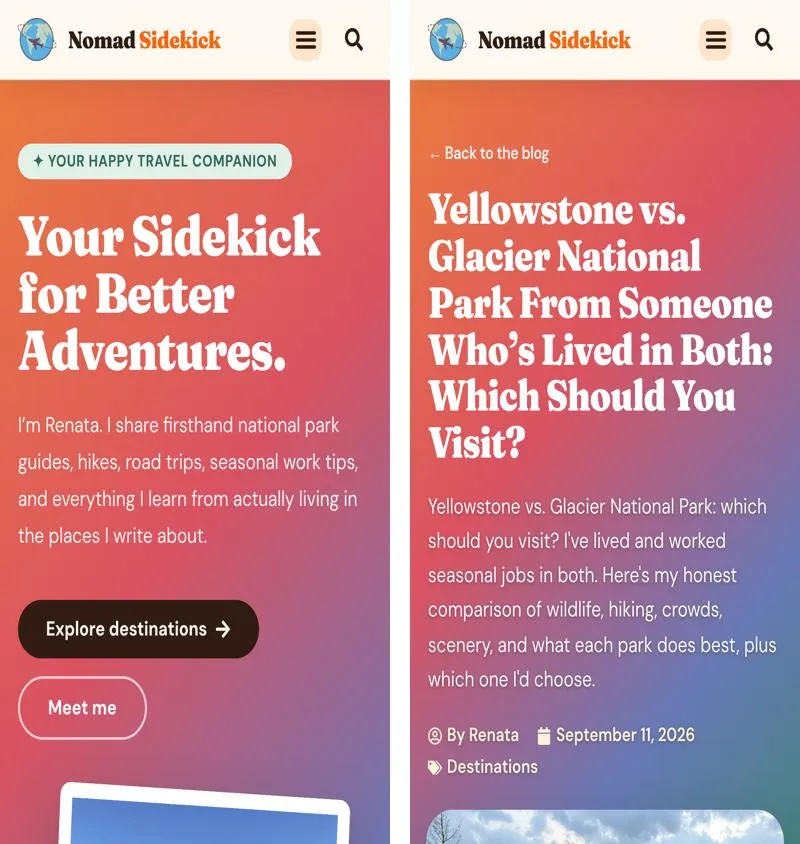
- Clean basics: proper titles and meta descriptions, social sharing previews, a skip-to-content link for keyboard users, and fast, mobile-ready pages.
How a Western NC business can use the same playbook
You do not need a travel blog to do this. If your customers plan before they buy, you can win those planning searches with what you already know.
Outfitters and guides
A hub for each river or trail system, with guides like "best time to paddle the French Broad" or "Pisgah trails for beginners," written by the people who run them every week.
Cabin and vacation rentals
"Where to stay" and "weekend itinerary" guides for your town, plus honest seasonal advice: leaf season, winter roads, what to book early.
Inns, breweries and restaurants
Comparison and planning content, such as "Asheville or Boone for a fall weekend" or "a day in Black Mountain," that sends visitors your way.
Tour and event companies
Month-by-month guides and "is it worth it" answers that catch people while they are still deciding what to do.
The rules stay the same: lead with your experience, group guides into hubs, answer the questions people actually search, use your own photos, and link every page to the next step. If you serve several towns, our guide to local landing pages without duplicate content covers how to do it without thin, copy-paste pages.
What is next for Nomad Sidekick
The foundation is in place. Next comes steady publishing on the existing hubs, short videos from Renata's trips to support the guides, and watching Search Console to see which topics people find first. When there is enough data to say something useful, I will update this post with what worked and what did not.
Frequently asked questions
Do I need to be a good writer to do this?
No. The value is in what you know, not in polished prose. Many owners record a conversation or voice memo about a trail, a river or a common customer question, and we turn it into a guide. Your experience and your photos are the parts nobody else can copy.
How many pages does a topic hub need?
Start with five to eight genuinely useful guides on one topic, such as one river, one trail system or one town, plus a hub page that links to all of them. Add to it steadily. A small, complete hub beats fifty thin posts spread across everything.
How long until content like this ranks?
For a new or recently moved site, expect three to six months before search traffic shows a clear trend, and longer for competitive topics. Content built on real experience tends to keep earning traffic for years, which is why it is worth the wait.
Can I use AI to write it?
AI can help with structure, editing and turning one conversation into several pieces. It cannot supply the experience. We covered how we use it in owner-led content: the advantage AI cannot invent.
Is this only for blogs?
No. The same structure works for outfitters, guide services, cabin and vacation rentals, inns, breweries and tour companies. Anyone whose customers plan a trip before they buy can win the planning searches with first-hand guides.
Founder of Local Business Consulting, a marketing consultancy in the Asheville area working with owner-led businesses across Western North Carolina, the US and Canada. Consulting since 2018.
Know your area better than anyone?
Let us help you turn that knowledge into a website that brings in bookings. Book a free 30-minute call and we will look at where to start.